UK: Transport for London is seeking market feedback on potential ways to provide neurodivergent passengers with a calm, quiet space when travelling on the public transport network, without needing to undertake any infrastructure changes.
TfL says there are 10 million journeys a day on its network, making for a busy, bustling, sensory-overloaded system which was not designed with neurological differences in mind. It ‘falls far short’ of best practice showcased in the PAS 6463: Design for the Mind: Neurodiversity & the Built Environment guidance on infrastructure and facilities design.
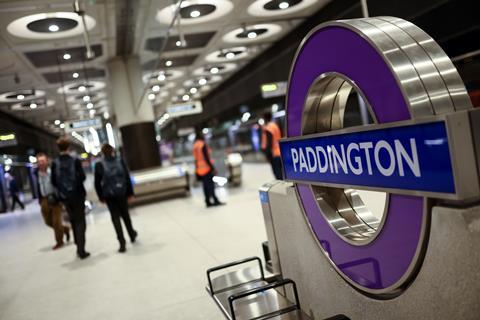
As part of its Equity in Motion strategy to make the network more inclusive, TfL is looking to trial a product in a busy operational environment to test appetite and usage. Space has been identified on the main concourse at the Elizabeth Line’s Paddington station, and it is envisaged that trials could be undertaken from October 2026.
The primary objective is to assess whether an off‑the‑shelf product can effectively operate within a live operational environment to meet the needs of neurodivergent customers, and to identify potential risks and opportunities across supply, operations and cost models.
It is envisaged this would involve a freestanding structure with a lockable door and/or restricted access, perhaps with registration through an accompanying app. The structure would be wheelchair accessible and host a maximum of two users at a time, or one user and an assistance dog.