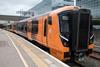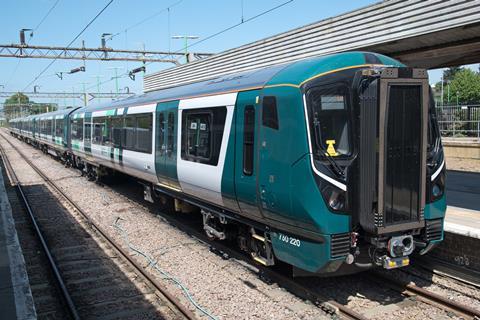
UK: West Midlands Trains is the latest passenger train operator to transfer from the private to the public sector. The operation of London Northwestern Railway-branded stopping services on the West Coast Main Line and West Midlands Railway local trains around Birmingham moved from Transport UK to the Department for Transport’s DfT Operator Ltd at 02.00 on February 1.
This means that half of all the rail journeys that the future Great British Railways will ultimately be responsible for are now run by publicly-owned operators.
Smooth transfer
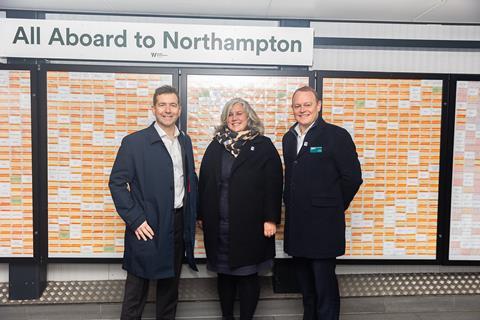
Speaking ahead of the handover, WMT Managing Director Ian McConnell said ‘we are proud to be one of the fastest-growing train operators in the country’. WMT carried 67·7 million passenger-journeys in 2024-25, with more than 80 million journeys expected in 2025-26.
McConnell said ’we have introduced more than 100 new trains as well as upgrading our depots and station facilities. We are looking forward to opening five brand new stations later this year and we are also rolling out pay-as-you-go ticketing across 75 locations to enable seamless tap-in, tap-out travel for our customers.
‘Public ownership is an exciting opportunity to build on this success through a strong culture of collaboration and integration with the wider family of publicly owned operators. Together, we can drive performance by sharing best practice and accelerating innovation and continue to deliver even better journeys for our passengers across the LNR and WMR networks.’
Transport UK said the transfer had been ‘meticulously and tirelessly delivered, enabling a smooth transition with seamless execution’. DfT insiders confirmed it as been a ‘very collaborative’ process, in contrast with some previous transfers to public ownership which had gone ‘down to the wire’.
Transport UK CEO Dominic Booth said ‘our focus has been on building an operation that performs well day to day and can be handed over in good order’. He said ‘Transport UK always prioritises client delivery. I am proud that our teams have ensured the satisfaction of the DfT and DFTO throughout the transition. It is a perfect reflection of Transport UK’s approach to rail — disciplined, delivery-first management and a commitment to leaving networks stronger than we found them, long after transition.’
Transport UK continues to operate East Midlands Railway, Merseyrail and 11% of the London bus network. It also provides transport management consulting through TransportWorks, rail replacement buses, business travel planning and HR/finance support through Solvd.
Regional ambitions
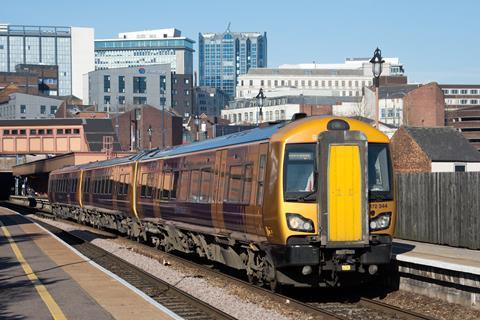
Mal Drury-Rose, Executive Director of the West Midlands Rail Executive which jointly manages the WMR-branded routes with DfT, said the transfer to DFTO ‘provides a clear platform for aligning customer priorities and regional ambitions to raise performance and improve the overall customer experience’.
Mayor of the West Midlands Richard Parker said ‘this is about more than a badge on the side of a train, and I will be working closely with ministers to improve WMR services and raise standards. And with my plans to take back control of our buses making good progress, we have an opportunity to create a truly integrated public transport system offering smooth, reliable and affordable journeys whether passengers are travelling by train, bus or tram.’
The creation of a distinct West Midlands Railway brand was intended to enable greater future local control. However, although a closer partnership with the West Midlands Combined Authority is anticipated, there are currently no plans for full separation of the services from the long-distance operations. Services in the West Midlands are not self-contained and can extend well beyond mayoral boundaries, which means that partnership agreements with neighbouring authorities would be required and funding would be complicated.
Senior sources indicated to Rail Business UK that a significant devolution of rail powers to elected mayors ‘isn’t going to happen’, and that devolving funding is also unlikely.
While DfT is pleased with the way integrated management teams bringing together Network Rail and DFTO train operators have been working, so far no decision has been taken on a team covering the West Midlands and southern West Coast Main Line. Insiders suggest this would really need to involve inter-city operator Avanti West Coast, which is not expected to transfer to DFTO until at least February 2027, if not later.
Next transfers
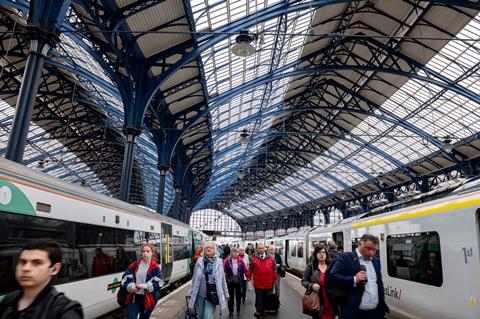
The next train operator to transfer to DFTO will be Govia Thameslink Railway, which operates under the Thameslink, Southern, Great Northern and Gatwick Express brands, on May 31.
GWR is expected to follow in November, though this is subject to official confirmation. DfT expects the full public ownership programme to be completed by the end of 2027.
Passenger services in Wales and Scotland will remain under the control of the devolved administrations, and the locally controlled Merseyrail, London Overground and Elizabeth Line operations are not transferring to DFTO.