UK: The permanent abolition of peak fares, the end of the alcohol ban and an allocation of funding for rail freight are included in the Programme for Government 2025-26 presented by Scortland’s First Minister John Swinney on May 6.
Enabling cheaper off-peak fares to be used all day on ScotRail services from September 1 and a planned marketing programme aim to encourage more people to travel by train, reduce car journeys and help existing peak time passengers with the cost of living.
A ScotRail Peak Fares Removal Pilot scheme ran from October 2023 until to September 2024, with £40m of Scottish government funding. However the scheme was not renewed, after analysis found that the majority of the increase in ridership came from existing rail users making more journeys, there was minimal impact on overall car travel and it tended to benefit those on higher incomes within the Central Belt region.
Swinney told the Scottish Parliament ‘last year, in the face of severe budget pressures, we took the difficult decision to end the peak fares pilot on our railways. But now, given the work that we have done to get Scotland’s finances in a stronger position, and hearing also the calls from commuters, from climate activists and from the business community, I can confirm that, from September 1 this year, peak rail fares in Scotland will be scrapped for good.’
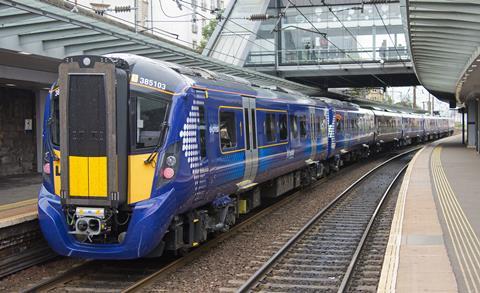
Other rail elements of the Programme for Government include completing the ongoing electrification of the East Kilbride line to enable the introduction of electric trains from December 2025.
There will also be an upgrading of power supplies to support existing and future electrification, with a new feeder station planned to enter service at Newton in Lanarkshire during 2025-26.
Procurement of inter-city trainsets to replace ScotRail’s HSTs will continue, as will the exploration of options to replace the suburban fleet.
Proposals for new stations will be assessed, including at Newburgh and Winchburgh.
There will be up to £4m to increase the shift of freight from road to rail through the Freight Facilities Grant.
Work will also be undertaken to improve the resilience of the railway.
ScotRail will continue to implement measures to address anti-social behaviour to protect staff and passengers, including the further deployment of Travel Safe teams.
Swinney said ‘as part of this continuing programme, we will respond to the concerns of railway staff and others that the current general ScotRail alcohol ban — a last legacy of Covid restrictions — is counterproductive and ineffective and remove the ban on alcohol on trains. We will replace it with new regulations that focus restrictions more effectively on particular times and locations, similar to previous restrictions.’
The abolition of peak fares was welcomed by the RMT union. ‘This is the right decision and a clear victory for rail workers, passengers and the wider movement demanding a fairer and sustainable railway’, said General Secretary Eddie Dempsey. ‘Peak fares were an unnecessary financial penalty on working people and ultimately put people off using the service.
‘If we are going to be serious about cutting carbon emissions and boosting rail use, then affordable and accessible public transport must be the priority. This decision must now be backed up with proper investment, safe staffing levels, and a long-term plan for Scotland’s publicly-owned railway,’ Dempsey says.
The TSSA union’s Scottish Organiser, Gary Kelly, said ‘the Scottish government’s own figures from their pilot showed that cancelling peak rail fares led to more people ditching the cars to take the train. They should never have cancelled the pilot at all. ’Commuters aren’t stupid. If it’s cheaper to take the train than the car that’s what they’ll do.’