








ITALY: Brescia Mobilità has awarded €326m contract for the design and construction of tram Line T2 to a consortium of Manelli Impresa (49·4%), Alstom Ferroviaria (23·93%), Hitachi Rail (23·65%) and Alstom Transport (3·02%).
Opening is planned for 2030.
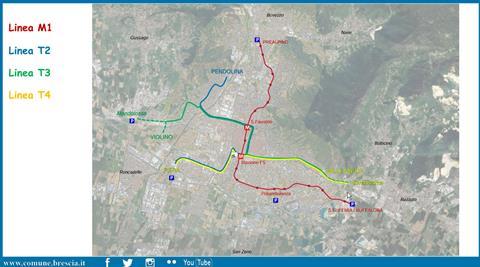
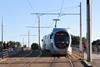
The 11·3 km double-track route will run from Fiera in the southwest to Pendolina in the northwest, mostly following the corridor used by the city’s existing bus Route 2 and with 72% of the aligment segregated from other traffic.
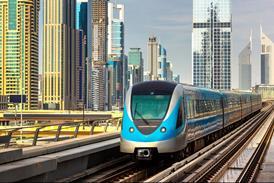
T2 will pass through some of the city’s most densely populated districts, and have interchanges with automated light metro M1 at San Faustino and the main railway station. There will be 21 stops, a main depot at Fiera and a secondary depot at Pendolina.
Overhead electrification will be used on 8·2 km of the route, with battery power used on 3·1 km to reduce the visual impact on sensitive areas.

Consortium leader Manelli Impresa’s €161m share of the contract signed on June 18 includes the civil and infrastructure works.
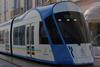
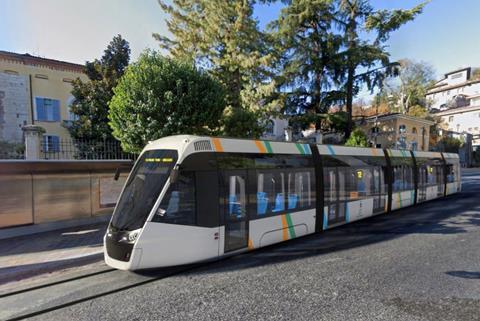
Hitachi Rail’s €77m share includes supplying 18 LIVe (’Light Inspiring Vehicle’) trams, telecoms and onboard signalling systems. The company said the trams to be produced at its site in Reggio Calabria would be designed for ‘safety, comfort, environment, innovation’, with attention to ergonomics and the passenger experience. There will be 52 seats and a total capacity of 216 passengers. A driver assistance system will include anti-collision features capable of detecting obstacles such as pedestrians and other vehicles.
Alstom’s €88m share of the work encompases the track, lineside signalling, lighting and electrification including Spiroll devices for automatic tensioning of the overhead contact line.
‘The new tramway will run through a complex urban context that includes historic areas, zones undergoing transformation and districts in need of redevelopment’, said Manelli Impresa CEO Sergio Onofrio Manelli. ‘Its construction is a major opportunity to enhance the quality of urban space, aligned with the strategies of the territorial governance plan. The infrastructure will improve access to and usability of historic centres by enhancing public transport and reducing reliance on private vehicles. It will also contribute to economic revitalisation and promote urban wellbeing by fostering social cohesion in more marginalised or degraded neighbourhoods.’