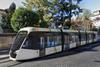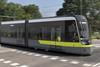








ITALY: The pre-feasibility study for the construction of a mass rapid transit system linking Brescia to Villanuova sul Clisi, with possible extensions including Salò on the shore of the Lake Garda was presented at Brescia city hall on July 21.
Eight transport modes were analysed in the study which included tram-train, guided bus, trolleybus and light rail, and the latter was found the most favourable. The study took into consideration performance, costs, environmental impact, and enhancement of social cohesion in the area.
The initial 22 km starter line would serve 11 stops, linking the Sant’Eufemia-Buffalora terminus of Brescia’s sole metro line with Villanuova sul Clisi to the northeast.
The line would have a fully segregated alignment, including elevated and tunnelled sections and sections in cuttings. The average commercial speed of the light rail line is expected to be 45 km/h.
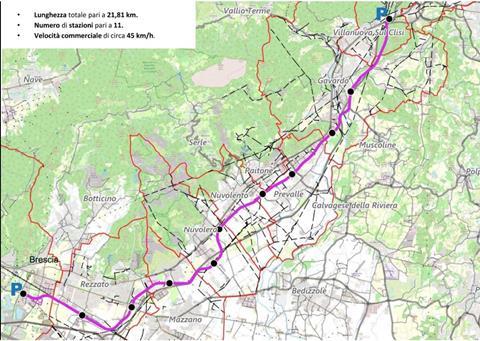
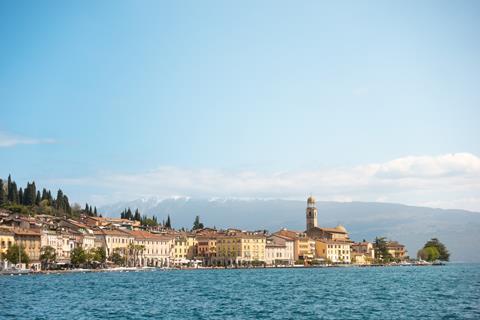
The study highlights the importance of a future extension from Villanuova to Salò on the shore of Lake Garda, and a potential branch to Valle Sabbia further north. These are expected to boost ridership by serving further tourist, residential, and industrial zones.
Benefits to exceed costs
The overall investment is estimated at €722m, which includes civil works, railway systems and the procurement of rolling stock. Annual operating costs are estimated between €8·9m and €12·6m. In all scenarios, economic benefits are found to exceed costs.
The aim of developing a mass rapid transit line was to offer an attractive alternative to private car usage, as well as to address heavy traffic and poor transport connections between Brescia and its hinterland, while improving the quality of life and reducing environmental impact.
The light rail line is expected to be used by over 10 million passengers in the first year of operation, of which 5 million could transfer from current bus services, 4 million from private car, and the rest would be from new demand generated by the line.
The study was undertaken by the University of Brescia working with the city council, the provincial government and the various local authorities along the planned route.