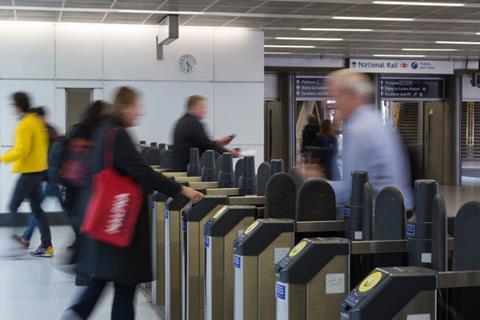
UK: Transport for London is looking at options to install bar code readers on its ticket gates. This would enable National Rail tickets for through journeys which include a cross-London transfer by London Underground to be issued electronically.
At present TfL’s ticket gates are not equipped to read bar codes, which means through rail tickets still need to be issued on paper rather than in the electronic formats now popular on other routes; TfL notes that 79% of National Rail tickets are sold digitally, including barcode, smart card and pay-as-you-go.
TfL says there is a shared ambition across the rail industry to move more passengers to digital ticketing as part of wider reforms of fares, but there is also recognition that the retail experience needs to remain inclusive for people who rely on paper tickets or paying by cash.
TfL and the Rail Delivery Group which represents train operators have now begun market engagement to investigate the feasibility of designing, developing, testing and deploying a scalable end-to-end barcode ticketing system for TfL stations.
The first priority is stations where National Rail services call behind TfL gatelines, such as Farringdon and Stratford. The next priority is cross-London interchange stations and TfL-sponsored rail services, including London Overground and Elizabeth Line stations. This would be followed by Zone 1-3 London Underground stations, then the remaining London Underground stations. The installation of barcode acceptance and retailing equipment on buses is not planned at this time.
Fixed barcode readers would be required to interface with existing TfL gatelines. The back office would need to be compliant with RDG barcode standards and interface with non-TfL operator and third party ticket retailer systems, and be extendable to incorporate future TfL station barcode retailing.
Portable barcode readers would be needed to for revenue protection inspectors. This may integrate with existing TfL revenue inspection devices, for example as a software application.
TfL would also need systems for the sale of barcodes printed on physical ticket stock to replace existing TfL issued magnetic tickets as a ‘ticket of last resort’. This would be required to support cash and card payments.
TfL intends to hold an open day supplier information session in early February, followed by the release of a market sounding questionnaire. It envisaged that a future contract could run from June 1 2027 to January 3 2033, with possible extensions up to January 1 2038. TfL would own or licence in perpetuity the rights to the intellectual property involved.