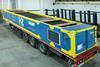
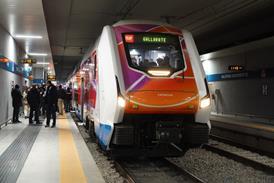





AUSTRIA: Siemens Mobility is working with Voestalpine to increase the share of lower-emission ‘green steel’ it uses in rolling stock production.
Its aim is for around one-fifth of the steel is uses this year to be Voestalpine’s CO₂-reduced Greentec steel, and the latest agreement includes an option for additional quantities over the next three years.
Voestalpine produces the Greentec steel in Linz using a CO2-optimised production route which generate up to 70% less emissions than conventional steel. This involves partially replacing coke with reducing agents containing hydrogen. The emissions saved are then recorded as CO2 credits, which are externally verified and confirmed to customers. Electric arc furnaces will come into use in Linz and Donawitz from the start of 2027, further reducing emissions.
The use of more green steel is part of Siemens Mobility’s plan to achieve a 90% reduction in CO2e emissions in its own operations by the end of FY2030, and reach net-zero greenhouse gas emissions across the value chain by FY2050.
The agreement with Voestalpine expands on the Green Steel for Bogies pilot project, which began in 2022 at Siemens Mobility’s global competence centre for bogies in Graz. In the future around 3 000 bogies/year will be produced at the site with an increasing proportion of CO2-reduced material.
‘By increasing the use of green steel, we are making a significant contribution to the sustainability of the railway industry’, said Andreas Mehlhorn, Head of Sustainability at Siemens Mobility, on October 17.