




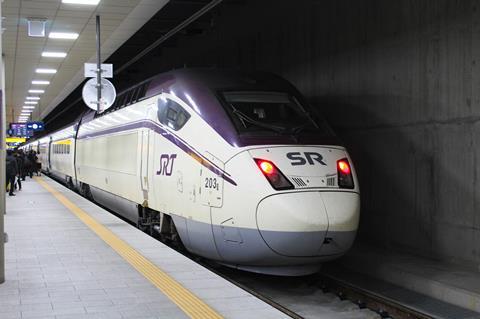
SOUTH KOREA: The Ministry of Land, Infrastructure & Transport has announced its intention to merge national operator Korail with high speed operator Supreme Railways by the end of 2026. Korail already holds a 41% stake in the quasi-independent high speed operator.
In its Dual High Speed Railway Integration Roadmap published on December 8, the ministry set out key aims of the plan. The main objective is to increase seat capacity by about 6%, tackling the shortage of available seats on high speed services across the country.
The merger would allow Korail to introduce more off-peak services, and run longer 20-car trainsets at peak times to and from the Suseo high speed terminus in southeast Seoul, which is currently only served by SR. This station is especially affected by the ongoing capacity shortage.
Another key objective is to create an integrated payment and ticketing platform for Korail’s KTX high speed services and the SRT services operated by SR. It would allow the creation of an integrated advance ticket purchase system, including the option to apply discounts through transfers between services currently operated by different operators.
Feedback on the proposal will be gathered through meetings with labour unions and staff from both companies, the ministry said.
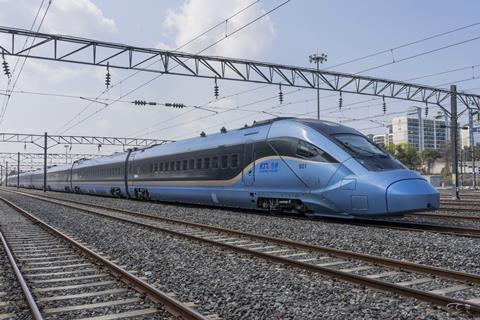
‘The integration of high speed railways is not simply a merger of two companies, but rather a plan to enhance the competitiveness of South Korea’s rail industry’, insisted Transport Minister Kim Yoon-deok. ‘The government plans to take special care to ensure that SR employees are not disadvantaged during the integration process.’
Competition is key to development
However, the plan has been met with some criticism from the railway trade unions.
‘The Ministry of Land, Infrastructure & Transport presented a schedule for the integration at the end of 2026, but is blocking the opportunity for SR and Korail to compete fairly and provide better services to the public’, the SR Labour Union said in a statement. It believes that ‘Korail has enjoyed various privileges such as priority use of depots and stations, monopoly on maintenance and rental, and preferential treatment in track access charges, but has failed to improve its chronic deficit and structural inefficiency, as its debt has increased to 22tr won’.
‘Since the launch of SR, the convenience and quality of railway services have noticeably improved, and this has been evaluated as a result of the introduction of competition’, the union added. ‘The core of the rail industry’s development is innovation based on competition, and simply integrating organisations could lead to a reduction in people’s options in choices, and a regression in services.’