



GREECE: Co-operation to modernise the Greek railway system has been agreed by the Ministry of Infrastructure & Transport and Italy’s national railway FS Group, two years after the fatal head-on collision at Tempi raised serious concerns about safety.
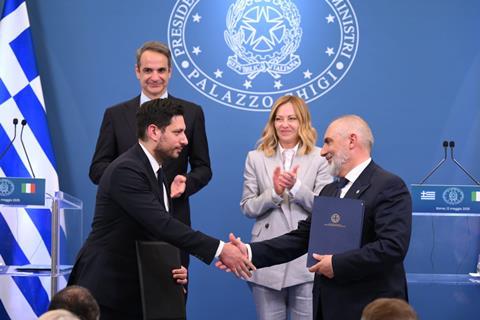
A memorandum of co-operation was signed by Transport Minister Konstantinos Kyranakis and FS Group CEO Stefano Antonio Donnarumma when Greek Prime Minister Kyriakos Mitsotakis met his Italian counterpart Georgia Meloni in Roma on May 12.
Mitsotakis said the investment would mean ‘the Greek railways can reach the level that the Italian railways have today.‘
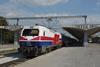
Rail services in Greece have been operated under contract by FS Group subsidiary Hellenic Train (formerly Trainose) since 2017. A revised contract is now to be agreed between the ministry and operator, which Meloni said would ‘relaunch an important strategic collaboration’.
Mitsotakis explained that this was ‘essentially a restart of the relationship that we are currently building. A relationship that was tested in the shadow of the Tempi tragedy, which cost the lives of 57 of our fellow citizens.’
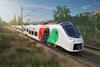
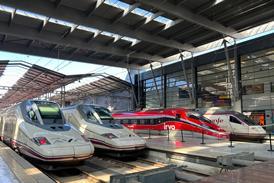
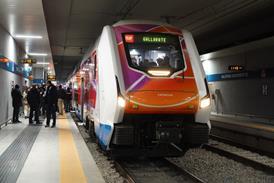
FS Group is to invest €360m in the purchase of eight inter-city and 15 suburban trainsets and the construction of modern maintenance depots. Delivery of the new trains is tentatively expected by early 2027, subject to the manufacturers’ production schedules.
The Greek ministry will be responsible for €400m of repairs and upgrades to the rail infrastructure, which was badly damaged by Storm Daniel in 2023. This will also include the full deployment of ETCS, which is currently only partially operational; Hitachi Rail is currently in the process of equipping 115 trainsets.
Contracts were recently signed for infrastructure work on critical segments of the network, including the Domokos to Krannonas section of the Athens – Thessaloniki main line and the Paleofarsalos to Kalambaka branch. Projects valued at €450m need to be completed by mid-2026 to meet EU Recovery & Resilience funding deadlines.
The agreement with FS Group also covers long-standing projects such as the Sepolia rail underpass in Athens, which have been delayed for years but are now considered essential to secure the Italian investment.
The ministry is also setting up a land and air transport risk management team.