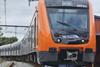







BRAZIL: The Ministry of Cities and development bank BNDES have published their 4th National Study of Urban Mobility, proposing the construction of a total of 2 506 km of mass rapid transit lines in the largest 21 metropolitan areas by 2054.
Taking into account the projected population growth and project viability, the study selected 200 priority schemes to study further from the 400 listed in the third edition of the study, which was published in March.
In the coming months, technical and financial details, estimates of investment, costs, revenues, benefits, and preliminary economic and financial analyses are to be provided for each project.
The metropolitan areas in question are Porto Alegre, Florianópolis, Curitiba, Santos, Campinas, São Paulo, Rio de Janeiro, Belo Horizonte, Vitória, Goiânia, the Federal District (Brasília), Salvador, Maceió, Recife, João Pessoa, Natal, Teresina, São Luís, Fortaleza, Belém and Manaus.
Of the 2 506 km of lines proposed, 323 km would be metro; 96 km suburban rail; 1 930 km either light rail, bus rapid transit or monorail; and the remaining 157 km would be conventional bus lanes.
‘We are strengthening urban transport planning based on concrete data, which allows us to identify priorities and guide medium- and long-term actions’, Minister of Cities Jader Filho said.
‘The goal is to establish the main investments needed for medium- and high-capacity transportation,’ added Denis Andia, National Secretary of Urban Mobility. ‘We want to optimise federal, state-level, and municipal public resources, channelling everyone’s efforts toward the same projects and also modelling investments.’
The 21 selected municipalities currently have a total of 2 007 km of urban transport routes. Upon completion of the recommended projects, in 80% of the metropolitan areas at least 30% of the population would be in 1 km range from a mass transit line, and in seven of them this proportion could exceed 40%. Today, the average for the 21 areas is 13%.
- Read our update on Brazilian urban rail projects in the January 2024 issue of Railway Gazette International.