











AUSTRALIA: Commonwealth, state and territory transport ministers have backed the adoption of ETCS for national interoperability, as well as plans to streamline rolling stock approvals and enable the Rail Industry Safety & Standards Board to lead the setting of technical standards.
The use of ETCS as the technology pathway for the freight and passenger lines designated as the National Network for Interoperability was agreed on August 11 at the Infrastructure & Transport Ministers’ Meeting, a forum for tiers of government to collaborate on issues of national importance.
Any future digital train control and signalling system introduced on the NNI would be required to comply with ETCS mandatory standards.
The ministers also endorsed a national approach to the procurement of passenger rolling stock which aims to maximise domestic participation, grow manufacturing capability and strengthen supply chain resilience. They will also consider a package of reforms to implement the National Rail Procurement & Management Strategy, including nationally harmonised standards for manufacturing rolling stock.
The RISSB will become the industry-led body for setting technical standards, working with the National Transport Commission to deliver a three-tier National Rail Standards Framework of mandatory, harmonised and local standards and providing the industry with greater clarity on roles.
’Meaningful progress’ being made
The Australasian Railway Association welcomed the ‘historic’ decision on digital signalling. ‘The ARA has long advocated for greater harmonisation and interoperability in the rail industry and it is pleasing to see meaningful progress being made to deliver a more productive and safer national rail network’, said ARA Chief Executive Caroline Wilkie.
’This week’s decision ends decades of inconsistency on the national network, which has made it harder for rail operators to move across the country. Nationally consistent train control and signalling systems will create seamless connectivity across the network and boost the industry’s productivity and efficiency.
‘This is a powerful step forward to improve rail’s competitiveness and ensure it is the transport mode of choice for both passengers and freight customers.’
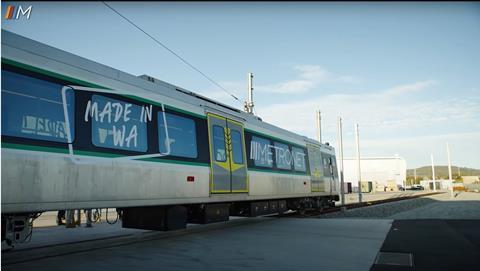
ARA said a national approach to procuring passenger rolling stock would support the growth of manufacturing capability and strengthen supply chain resilience, a key plank of the National Rail Procurement & Management Strategy to develop a more globally competitive manufacturing sector in Australia.
‘A nationally consistent approach to procurement will deliver substantial cost savings to both rail suppliers and governments, supporting a sustainable rail manufacturing sector for the future’, said Wilkie, adding that the ARA looked forward to the ITMM considering reform options at its future meetings, including nationally harmonised standards for manufacturing rolling stock.