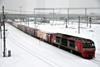
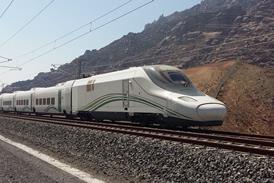






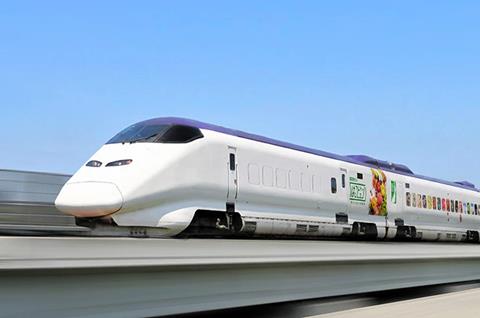
JAPAN: A Series E3 high speed trainset which has been converted to carry freight will enter service on East Japan Railway’s 500 km Tōhoku route between Morioka and Tokyo on March 23.
The launch had originally been planned for autumn 2025, but was delayed due to a problem with the Series E8 trainsets which are replacing the E3s in passenger service.
Train conversion
A total of 41 Series E3 trainsets were manufactured by Kawasaki Heavy Industries and Tokyu Car Corp from 1995 for use on the Akita, Tōhoku and Yamagata high speed lines.
The converted seven-car trainset has had its 394 seats removed and anti-slip flooring installed, along with straps for securing freight consigments. It is targeted at the transport of high-value goods such as precision equipment or fresh produce, and the windows are decorated with images of potential freight such as vegetables.
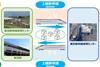
The trainset will run on weekdays, coupled to an ordinary passenger train. Loading and unloading will be handled at depots near the stations.
High speed freight
When Japan’s high speed network was originally conceived in the early 1960s some consideration was given to moveing freight. However, the network was eventually designed solely for passenger service, largely because mixed traffic with trains running at very different speeds would complicate scheduling and capacity management.
A pilot scheme carrying high value perishable foodstuffs in small consignments on high speed passenger services was launched in 2019. The concept received a boost during the Covid-19 pandemic, when the drop in passenger numbers freed up onboard space, and in April 2021 JR East created a Logistics subsidiary to further develop the market.
Other JR Group operators followed, and by 2024 the service had expanded nationwide. Air freight company JAL Cargo has recently partnered with JR East to launch the JAL de Hako-byun service combining high speed trains and long-distance flights to transport seafood, fruit, vegetables and machinery parts from regional production areas to airports for export across Asia.
According to Japanese media, the operators are now looking into developing purpose-built freight trains, which would be deployed as part of integrated logistics chains, using the Shinkansen network in combination with other modes.