




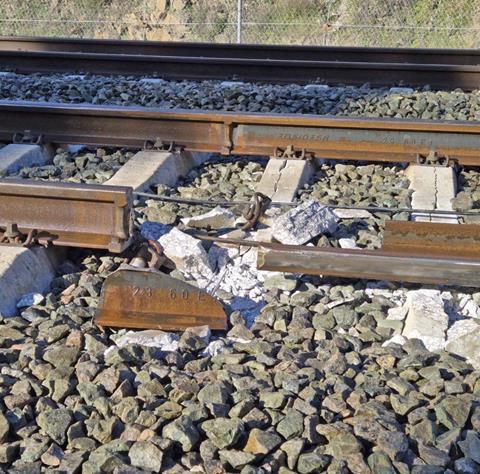
SPAIN: Minister of Transport Óscar Puente confirmed on February 16 that the high speed line between Madrid and Sevilla was ready to reopen, following the completion of repairs after the derailment and collision at Adamuz on January 18.
Infrastructure manager ADIF Alta Velocidad had notified the operators that the repairs had been completed, he explained, adding that they would be making some test runs before the resumption of commercial services. The ministry hoped that passenger services between Madrid and Andalucia could resume on February 17 or 18.
Puente told local media that the repair work had been delayed by bad weather in the area, and the opening date had had to be postponed.
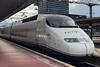
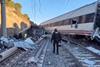
Spain’s oldest high speed line has been closed since the collision between a derailed Iryo high speed train and an Alvia service, which killed 46 people and injured many more. State-owned operator RENFE has been providing a limited service of four trains per day, with a replacement bus connection between Córdoba and Villanueva de Córdoba leading to significantly reduced capacity and extended journey times.
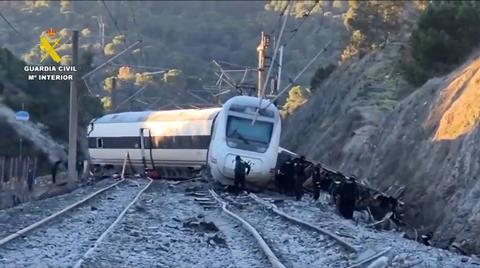
Accident investigation
A judicial probe into the accident is underway, and the national railway accident investigation body CIAF is continuing its work to determine the cause of the initial derailment.
Issuing an update on February 12, CIAF said a lead investigator had been appointed on January 23 to take charge of the inquiry. The commission was continuing to gather information from ADIF, RENFE Viajeros and Iryo, and was also analysing documentation relating to the track relaying and renovation works undertaken in the Adamuz area. It had also received information relating to the interlockings and track circuits.
The information requested from RENFE Viajeros and Iryo mainly concerned data about the rolling stock, as well as the communications immediately after the event. CIAF said that it had not yet been able to extract the data contained in the train recorders, pending judicial authorisation, as access to the data had to be ’co-ordinated’ with the parallel legal investigation.
CIAF said it was ‘currently working on selecting laboratories’ to undertake the analysis of the rail samples recovered from the derailment site, and it was seeking to ensure that there were no conflicts of interest ‘with any of the entities related to the event’. The rail samples were therefore still in its custody and would only be handed over for analysis once it had obtained court approval.
European oversight
On January 28, CIAF President Ignacio Barrón wrote to the Executive Director of the European Union Agency for Railways Oana Gherghinescu, inviting ERA to monitor the investigation process. This is both to ensure greater transparency and to ensure that any learning opportunities could be taken to improve safety for the wider European railway sector.
CIAF confirmed that the invitation had been accepted by ERA under Article 22.5 of the Railway Safety Directive, and that a panel of observers had aready made initial contacts with the investigation team. However, the commission emphasised that ‘the technical investigation will be carried out exclusively by CIAF, and the role of the observers will be limited to monitoring the process’.