
- News
- In depth
- Events
- Data
- Maps
- Tenders & Jobs
 ICM EMU Trainsets for sale
 Request for Information (RFI) Concerning “Train’s Localization & Monitoring System”
 Tender No. 42244 For the Manufacture and Supply of Turnouts and Tracks Geometry Measurement Trolley (“Tender”)
 RFP No. 42247 Provision of Consulting Services in Various Railway Fields for Israel Railways (RFP)
- Sponsored content
- Insights
Close menu
- Home
-
News
- Back to parent navigation item
- News
- Traction and rolling stock
- Passenger
- High speed
- Freight
- Infrastructure
- Policy
- Technology
- Ticketing
- Business
- Research, training and skills
- Accessibility and inclusion
- People
- Urban rail news
- Suburban and commuter rail
- Metro
- Light rail and tram
- Monorail and peoplemover
- Regions
- InnoTrans
- In depth
- Events
- Data
- Maps
- Tenders & Jobs
- Sponsored content
- Insights


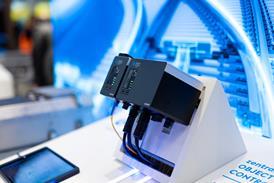
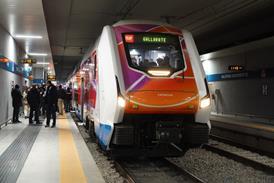





Trenord launches Trainscanner rolling stock inspection tool
By Railway Gazette International2025-10-30T10:00:00

ITALY: Regional operator Trenord and MerMec have introduced a health and diagnostic tool known as Trainscanner.
Already have an account? LOG IN
To continue…
You’ve reached your limit of content for the month