


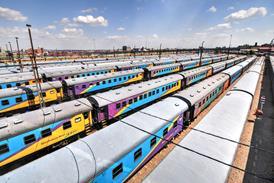
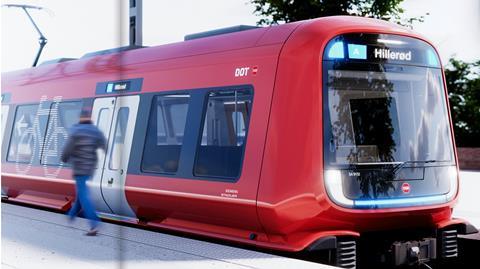
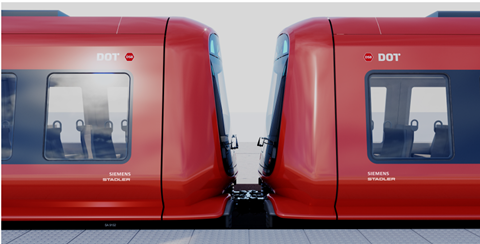
DENMARK: National operator DSB has selected a consortium of Siemens Mobility and Stadler to supply and maintain a fleet of electric multiple-units for the conversion of København’s S-bane suburban rail network to unattended automatic operation at Grade of Automation 4.
The DKr23bn order announced on January 14 covers at least 226 EMUs. The consortium will have overall responsibility for maintenance for 30 years, with DSB employees undertaking the work.
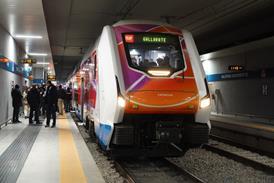
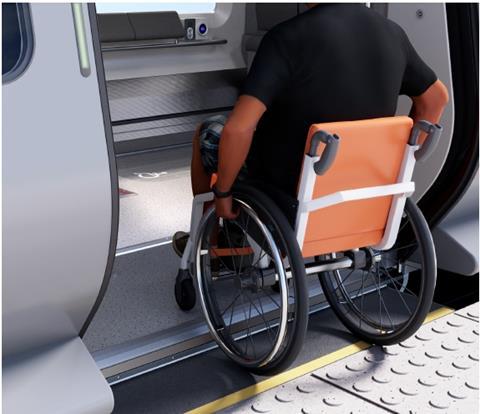
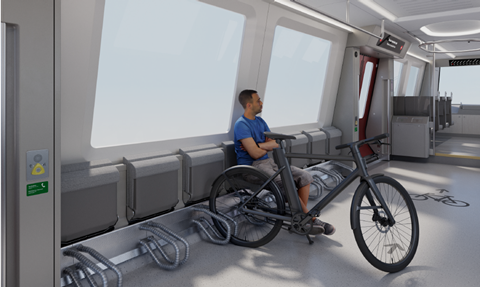
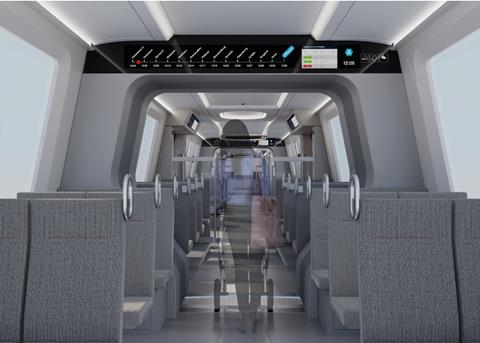
DSB said the 1·5 kV DC EMUs would offer a greater variation in interior design than the current S-tog fleet or similar urban trains in Europe. They will have some features found on long-distance trains, including 2+2 seating, air-conditioning and work areas with tables, as well as spaces for wheelchair users.
Siemens Mobility and Stadler both told Railway Gazette International that they would provide further details once the contract award was legally binding.
Automation programme

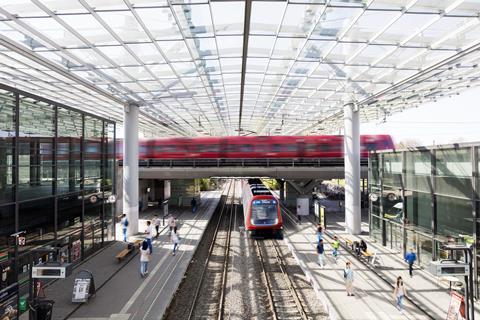
The first of the new trains are expected to enter service on Line F between København Syd and Hellerup in 2032, with the entire 170 km S-bane network to be fully automated from around 2040.
DSB said the transition to fully automated operation would be the biggest change in the more than 90-year history of S-tog services.
Conversion was approved in principle by the government in 2017. In 2022 Siemens Mobility completed the deployment of CBTC under a contract awarded in 2011, and in 2024 DSB and infrastructure manager Banedanmark awarded the supplier a €270m contract to modify the onboard and lineside equipment to support unattended operation.
In September 2023 CAF, Alstom and the consortium of Siemens and Stadler were shortlisted to participate in a competitive dialogue process for the rolling stock contract.
Automation will enable an increase in frequency to ensure that there is never more than 7½ min between trains on every route during the peak hours, with trains running at 90 sec headways through the central core between København H and Nørreport.
This corresponds to up to 35% more departures than today, adding capacity for 10 million more journeys per year. Around 112 million passengers travelled on S-tog services in 2024, and DSB expects ridership to continue increasing.
‘The new fully automated trains are an investment in the public transport of the future’, said DSB Chairman Peter Schütze. ‘With higher frequency and increased capacity, we ensure that the S-bane can keep up with growing demand and maintain its role as the backbone of the capital’s public transport.’