






SERBIA: Alstom has announced the securing a €915m turnkey contract to build a fully-automated metro line in Beograd, which the company said would ‘alleviate surface congestion and unlock Beograd’s potential as a leading European capital city’.
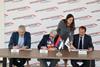
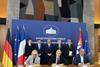
The announcement on March 27 follows the confirmation of a financing agreement for the long-propsed project, which is now entering the design phase. Alstom said the contract is to be booked in Q4 of FY2025-26.
France is to provide financing of up to €680m in the form of a €150m direct government loan and commercial bank loans of up to €530m guaranteed by export credit agency Bpifrance. Serbia will obtain additional financing from other sources.
Beograd metro Line 1
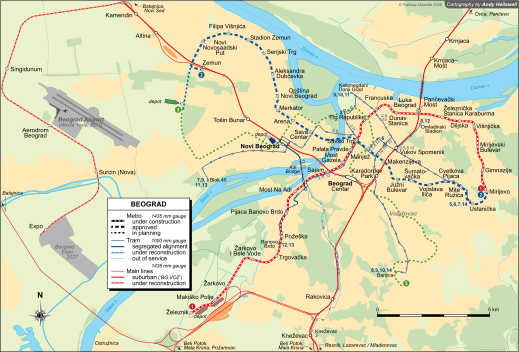
The 15 km first phase of Line 1 is to run from Makiško Polje to Karaburma via the city centre with 11 km of tunnels and 15 stations.
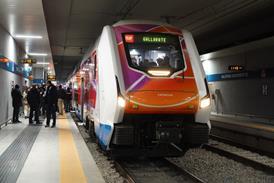
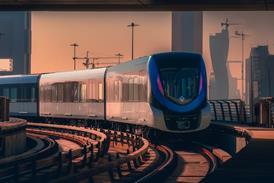
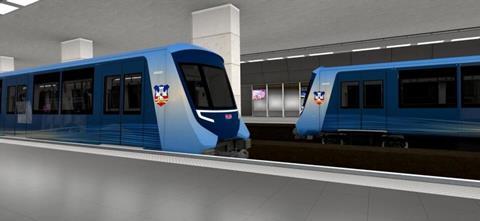
The turnkey construction contract awarded to Alstom by project promoter Beograd Metro & Train includes the supply of 32 three-car Metropolis driverless trains to be manufactured at Alstom’s Valenciennes site in France. It also covers signalling including Alstom’s Urbalis CBTC supporting 90 sec headways, and telecoms, power supplies, track, platform screen doors, depot equipment, the control centre and cybersecurity systems.
‘Beograd’s decision to build its first fully automated metro is a pragmatic and bold investment in the city’s future and it reflects the strong leadership and vision demonstrated by the Serbian authorities’, said Andrew DeLeone, President of Alstom Europe. ‘Line 1 will fundamentally change how nearly two million residents navigate their city, providing a reliable and safe alternative to road transport. This project is not just about mobility; it is about delivering the modern infrastructure necessary for Beograd to sustain its growth and meet its long‑term economic and climate objectives.’
On March 19 BMT extended the ongoing early operator assistance contract with Paris transport operator’s RATP Dev business. ‘Given the complexity of the project and the involvement of a large number of participants, it is important to provide sufficient time for quality planning, so that the future metro system is efficient, reliable and sustainable’, said BMT director Andreja Mladenović. ‘Special focus will be on the introduction of the most modern technological solutions’, he said. ‘Our goal is for Beograd to have one of the most modern and high-quality metro systems in Europe and the world.’