







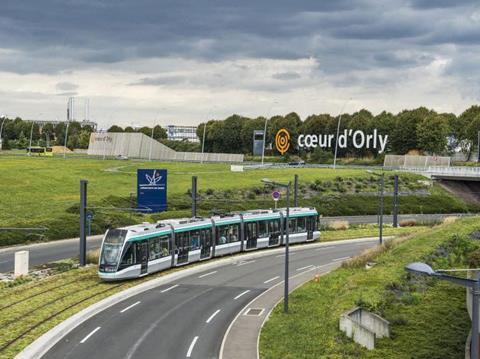
FRANCE: Contract transport operator RATP is seeking to deliver ‘world class quality’ in its home network in Paris while opening the door to a ‘Team France’ approach to winning contracts internationally.
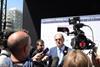
These were among the key messages shared by incoming RATP President Xavier Piechaczyk, who set out his vision for the role to French parliamentarians in early February. Piechaczyk joins RATP as successor to former French Prime Minister Jean Castex, who left the company to lead national railway group SNCF.
A former advisor to the cabinet on transport and energy policy, Piechaczyk joined RATP on February 4 having previously led electricity grid operator RTE. He told the parliamentary hearing that his main priorities would focus on restoring quality to RATP’s bus, tram, metro and rail services in and around Paris, while also tackling long-standing challenges such as the lack of step-free access to much of the metro network.
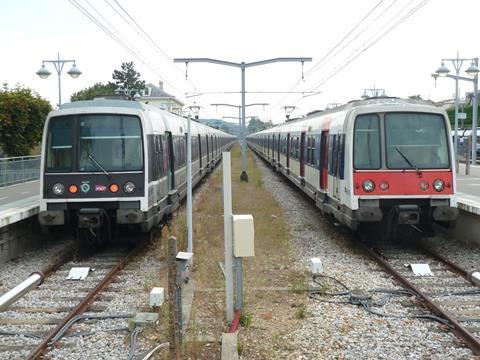
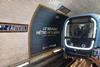
He also stressed that he would ‘rapidly get involved’ in addressing some of the chronic delivery issues that have affected procurement of new metro and RER fleets. In particular, he wanted to investigate the state of progress with the MI20 fleet of RER trainsets being built to re-equip Line B; these were due to enter service in 2025, but the first car has only just been sent from CAF’s Reichshoffen plant to Alstom’s Crespin facility for fit-out. Completion of the €2·56bn contract agreed in 2021 to build 146 new trains is not now expected until at least 2028-29.
Market opening
Piechaczyk recognised that as the incumbent municipal operator, RATP’s dominance of urban transport operations in the French capital is now being slowly eroded.
He reported that 18 000 front-line staff had already been transferred out of the business either to standalone RATP subsidiaries to manage specific contracts, or to rival operators.
The next stage of tendering will see seven light rail lines opened up to competition from 2030.
However, he reminded policymakers that RATP would remain as infrastructure manager for a large urban rail network, as well as taking on the same role for the Grand Paris Express metro network, the first section of which is due to open later in 2026.
Looking nationally, RATP has now formally signed the contract to take over operation of regional passenger trains around Caen, but Piechaczyk was cautious about its rail ambitions. ‘We must maintain skills in high quality operations across all modes, starting with buses and then moving into the heavier options’, he said. ‘We need to know how to do all of it well, with a profit but without compromising on our social responsibilities’, he added.
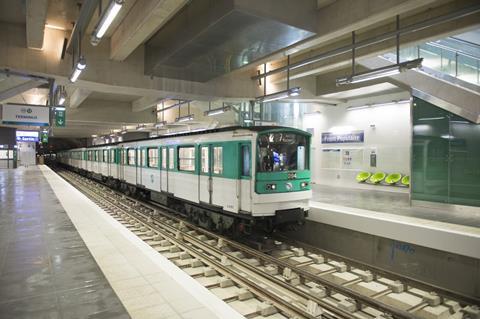
Assessing the options for further international expansion, Piechaczyk said he was ‘open’ to holding discussions with Castex, representatives from the government and the supply chain about creating a ‘Team France’ approach to bidding for work overseas. ‘That would be an approach we could take in some specific cases, depending on the wishes of the organising authority in question’, he added.